Low flows, hot temperatures force fishing closures on 4 Western Slope rivers
Voluntary closures will hit Colorado, Eagle, Crystal and Roaring Fork rivers on July 17

Ali Longwell/The Aspen Times
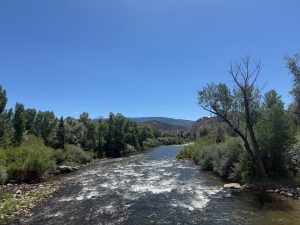
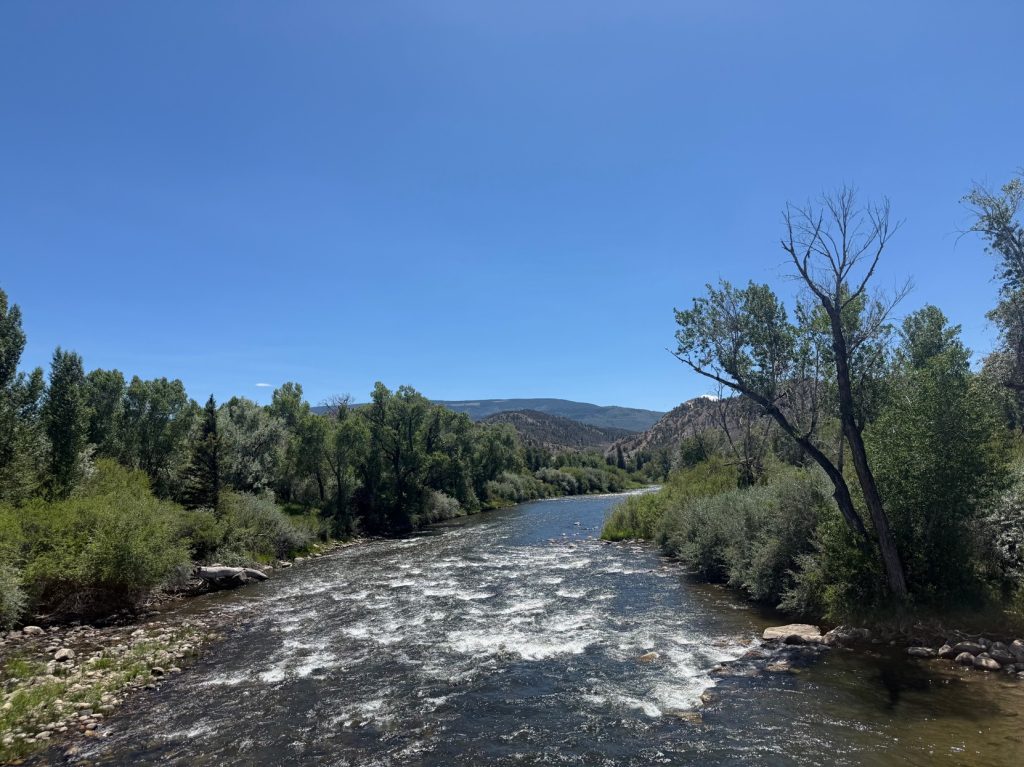
Extremely low flows and high water temperatures have prompted Colorado Parks and Wildlife to implement voluntary fishing closures on the Colorado, Eagle, Crystal and Roaring Fork rivers beginning Friday, July 17.
Severe drought conditions have driven river flows well below 50% of normal, and daily maximum water temperatures have consistently exceeded 71 degrees. Parks and Wildlife said in a news release it expects these voluntary restrictions to remain in place for the foreseeable future to protect stressed fish populations.
The closures will affect the following rivers:
- Colorado River: A full-day voluntary closure will go into effect from Red Dirt Creek downstream to the Colorado State Highway 13 bridge in Rifle. Water temperatures are exceeding 71 degrees, and flows remain critically low.
- Eagle River: A full-day voluntary closure is in effect from Lake Creek in Edwards downstream to the Colorado River confluence. Daily temperatures have been peaking at 77 degrees in Gypsum and 74.5 degrees in Wolcott.
- Crystal River: A full-day voluntary closure is in effect from mile marker 64 on State Highway 133 downstream to the Roaring Fork confluence. Flows are declining rapidly and are expected to drop to a level at which fish movement is limited in the near future. Crystal River flows are currently less than 10% of normal for this time of year.
- Roaring Fork River: A daily afternoon voluntary closure is in effect from noon to midnight from the Highway 133 bridge in Carbondale to the Colorado River confluence. High afternoon temperatures and heavy angling pressure are isolated to this lower stretch. Upper sections remain cooler, allowing fish to recover overnight.
Parks and Wildlife’s regulations allow the agency to implement these closures based on temperatures, streamflows, declining fish condition and dropping oxygen levels in the water. These closures are meant to conserve fish populations, removing angling pressure when conditions are already stressed in fisheries.
Once river temperatures rise above 71 degrees Fahrenheit, oxygen levels in the water drop. As a result, fish can stop feeding, become more susceptible to diseases, and, ultimately, die. When streamflows drop below 50% of the daily average, it can concentrate fish into small areas, increasing competition for food and making them more susceptible to angling pressure and disease,

Support Local Journalism
In these conditions, fish struggle to recover after being caught and released, according to Parks and Wildlife. As a result, the agency recommends anglers fish early in the day to avoid peak afternoon temperatures. Anglers should also use a handheld thermometer to test water conditions and move to cooler, higher-elevation waters once temperatures approach 71 degrees.
To reduce fish stress, officials advise anglers to:
- Use heavier tippet and line to land fish quickly
- Wet hands before handling any fish
- Keep fish submerged in the water while unhooking and releasing them
- Avoid removing fish from the water for photographs
- Avoid overcrowded areas and have an alternative fishing location planned
For a complete list of voluntary river closures, visit Parks and Wildlife’s 2026 Weather and Drought Closures tracker on CPW.State.CO.US/bodies-water-finder.