From home insurance to vacancy taxes: Bills that passed — and failed — this legislative session that western Colorado should know about
Lawmakers passed a slew of measures on housing, wildlife and guns. They rejected bills on data centers, flock cameras and taxes on vacant homes.

Robert Tann Follow
Robert Tann/Vail Daily
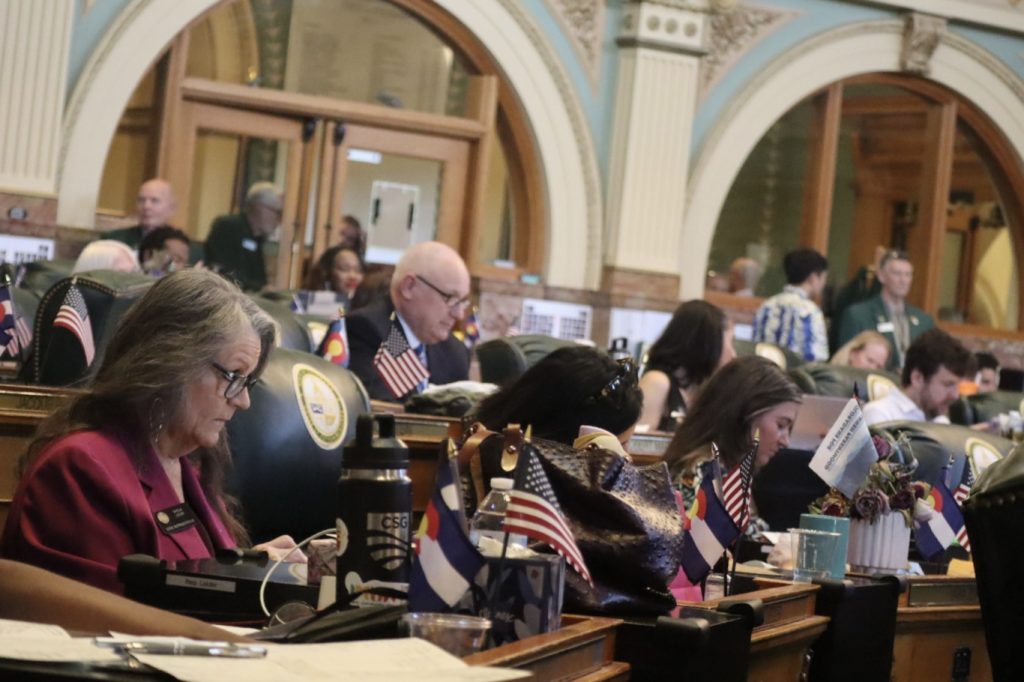
Over 600 bills were introduced this year over the course of Colorado’s 120-day legislative session, which ended on Wednesday, May 13.
Here’s a look at some of the measures that passed — and died — that mattered for western Colorado:
Housing
Passed
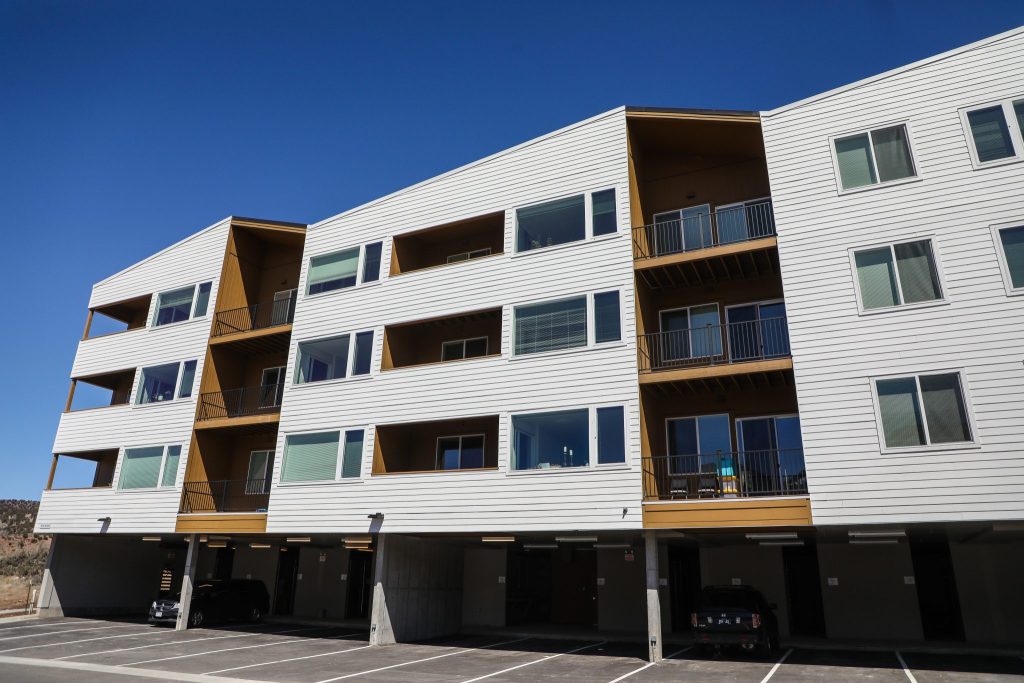
- House Bill 1001: Dubbed the Housing Opportunities Made Easier, or HOME Act, the bill allows public schools, colleges, nonprofits, transit agencies and housing authorities to bypass local zoning codes and build affordable housing on land that they own. It was signed into law in March by Gov. Jared Polis.
- Senate Bill 1: This bill loosens restrictions on how local governments fund affordable housing, allowing counties to use property tax revenue in their general fund and to sell buildings and land they own — with the exception of parks — to fund housing projects. It also expanded the use of housing tax credits for middle-income projects. Polis signed the bill in March.
- Senate Bill 155: This bill imposes a 0.5% fee on homeowners insurance companies to raise up to $100 million over five years for a grant program that will help homeowners pay to install hail-resistant roofs. Insurance carriers are prohibited from passing the fee onto homeowners as a surcharge, and lawmakers hope an increase in hail-resistant roofs will ultimately lower insurance premiums. It is awaiting action from Polis.
- House Bill 1065: This bill creates new tax financing abilities for local governments to build housing near bus and rail lines. Western Slope lawmakers hope it can spur development along the planned mountain rail commuter line from Denver to Steamboat Springs and Craig. The bill is awaiting action by Polis.
- House Bills 1145 and 1224: Both bills have to do with protections for mobile home park residents. HB 1145 expands the state’s authority to force landowners to fix water issues related to drinking, cooking, bathing, washing or using home appliances and raises penalties for landowners who fail to comply. The bill was signed into law by Polis earlier this month. HB 1224 requires landowners who choose to sell their park to provide more information to residents who may want to purchase the property. The bill is awaiting action from Polis.
Killed
- House Bill 1036: This bill would have allowed local governments to ask voters to approve taxes on vacant homes to generate money for affordable housing. It was killed in the House Finance Committee in February in a 7-4 vote.
Businesses and workers
Passed

Support Local Journalism
- Senate Bill 10: This bill expands property tax cuts to ranchers and farmers who raise livestock such as pigs and chickens, not just cattle. It was signed into law by Polis in March.
- Senate Bill 52: This bill creates a hiring preference for workers in the coal industry in communities where coal plants and mines are shutting down, including in northwest Colorado. The bill was signed by Polis in March.
- Senate Bill 121: This bill raises the threshold for when agricultural workers are paid overtime from 48 hours to 56 hours, starting on Jan. 1. It was signed by Polis earlier this month.
- House Bill 31: This bill makes it a deceptive trade practice to market fruits and vegetables as Colorado-grown if those products were produced in a different state. The bill is meant to protect the integrity of produce like Palisade peaches and Pueblo green chiles. The bill was signed by Polis in April.
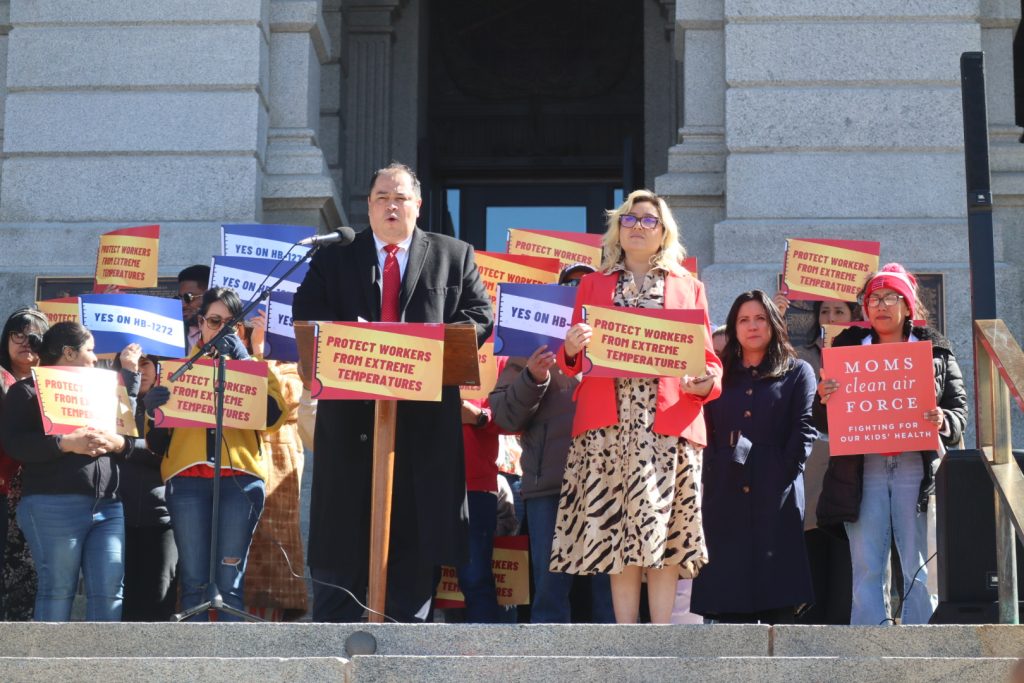
- House Bill 1272: Originally, this bill would have required businesses to develop plans for protecting their workers from extreme heat and cold, and required employers to follow state-approved training standards for workers. Those provisions were stripped from the bill, which now just requires the state to collect data on business practices related to extreme temperatures and develop model safety plans that employers can use. The bill is awaiting action from Polis.
Killed
- Senate Bill 81: This bill would have lowered the current overtime threshold for agricultural workers from 48 hours to 40 hours. It was seen as a rival bill to SB 121, and was killed by the Senate Business, Labor and Technology Committee in March in a 3-2 vote.
Guns
Passed
- Senate Bill 4: This bill adds K-12 schools, colleges, health care facilities and treatment centers to the list of groups that can petition a judge to temporarily remove someone’s firearms. It was signed by Polis in April.
- House Bill 1144: This bill makes it illegal to manufacture 3D-printed firearms, sometimes called “ghost guns.” A key provision from the bill that would have also banned the sale and distribution of digital instructions for how to print guns or gun components was removed after Polis threatened to veto the measure over that provision. He signed the amended bill in May.

Killed
- Senate Bill 43: This bill would have restricted the sale or transfer of gun barrels to only federally licensed firearm dealers and required dealers to keep records of barrel sales. The bill passed the Senate but was killed in the House on the last day of the session amid a veto threat from Polis.
Wildlife
Passed
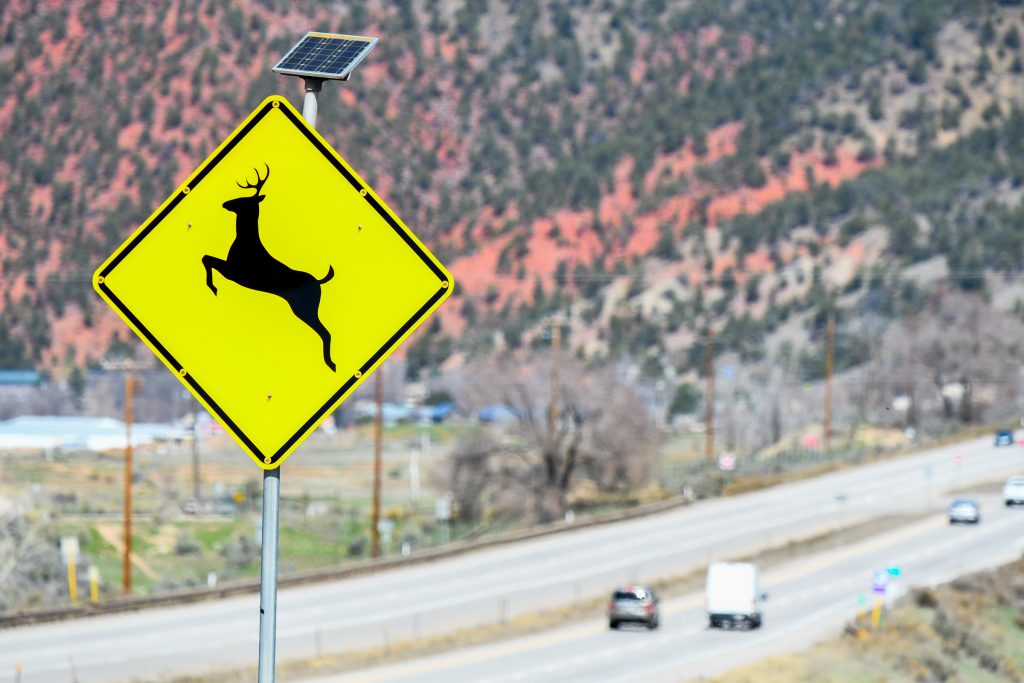
- Senate Bill 141: This bill would add an option $5 fee to Coloradans’ annual vehicle registration to fund wildlife crossing infrastructure. It is awaiting action from Polis.
- House Bill 1342: This bill would lower the standard of evidence required to charge someone for luring black bears. It also raises the fine for luring bears after two offenses from $2,000 to $5,000. It is awaiting action from Polis.
Killed
- House Bill 1323: This bill would have banned recreational beaver hunting on Colorado public lands. It was killed by the House Agriculture, Water and Natural Resources Committee in March in a 10-3 vote.
Immigration, data centers and other notable bills
Passed
- Senate Bill 5: This bill would allow people to sue federal immigration officers in Colorado civil court if those officers violate their constitutional rights. It is awaiting action from Polis.
- House Bill 1276: This bill would expand the state’s ability to inspect immigration detention centers, ban local and state transit services from transporting immigrants for detention and require state agencies to publicly disclose when they have received a subpoena from federal immigration officers. Another provision of the bill that would have held state agencies, not just their employees, liable for violating state laws on immigration information sharing was removed amid concerns from Polis, who has not yet signed the bill.
- Senate Bill 35: This bill increases penalties for reckless driving, including raising point penalties on driver’s licenses for passing lane violations and requiring in-person court appearances for repeat speeding. The bill comes in response to a slew of deadly crashes on mountain roads last year and is awaiting action from Polis.
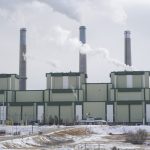
- House Bill 1226: This bill imposes new emission control and cost-reporting requirements on coal plants that were set to retire but are forced to stay open due to federal orders, including in northwest Colorado. It is awaiting action from Polis.
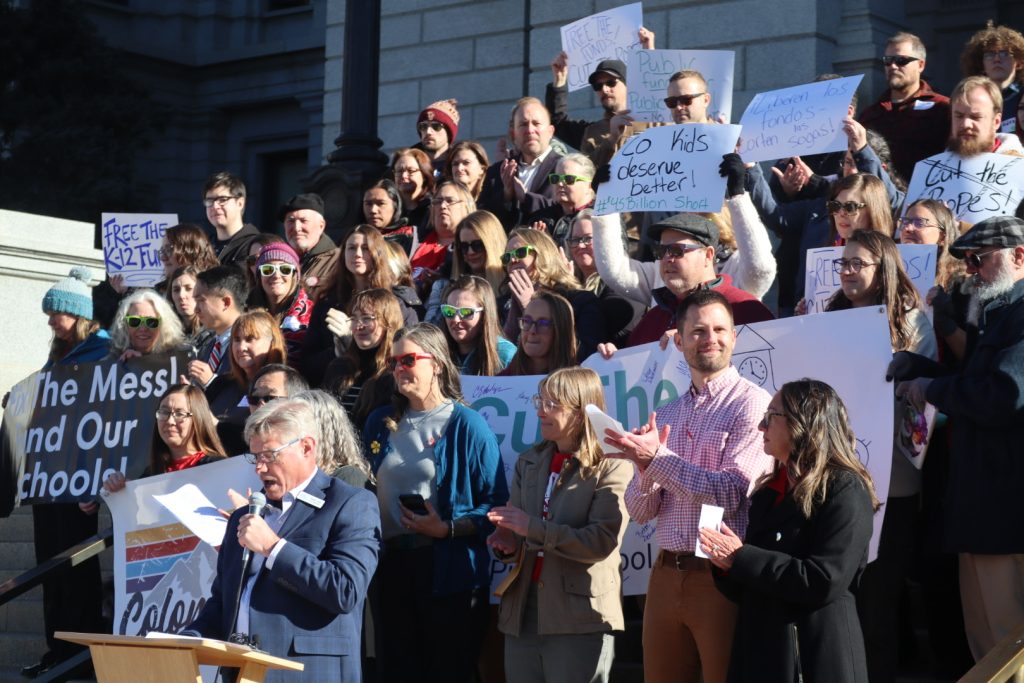
- Senate Bill 135: This bill refers a measure to the November ballot that will ask voters to allow the state to raise its spending cap under the Taxpayer’s Bill of Rights — and forgo tax refunds — to increase funding for K-12 education. It does not need Polis’ signature and will head straight to the ballot.
Killed
- Senate Bill 70: This bill would have blocked law enforcement’s access to data from automated license plate readers like Flock cameras, unless they had a warrant, and would have required that data be deleted after 30 days. After passing two committees, the bill’s sponsors killed the measure on the Senate floor in April, citing a lack of support from other lawmakers and a potential veto from Polis.
- House Bill 1030 and Senate Bill 102: These bills both had to do with data centers. HB 1030 would have created a sales tax exemption for data centers to lure new development, with stipulations around worker pay and water use. It was killed in May by the House Energy and Environment Committee in an 11-2 vote. SB 102 would have imposed more stringent environmental protections on data centers, though a last-minute tax incentive was added to the bill. It was killed by the Senate Transportation and Energy Committee also in May in a 9-0 vote.
- House Bills 1221 and 1222. Both bills would have rolled back tax breaks for businesses to fund a new tax credit for lower-income families, and came largely in response to the corporate tax cuts passed by congressional Republicans as part of the One Big Beautiful Bill Act. Both bills were killed by the Senate Finance Committee in May in a 7-1 vote. Bill sponsors cited a lack of support from committee members and a veto threat from Polis as the reason.